

Chafariz de Entrecampos, Jardim Mário Soares and Campo Pequeno make a useful set of stops for a walk in this part of Lisbon. The route brings together a 19th-century fountain, a large public garden with a long history and the distinctive Praça de Touros do Campo Pequeno.
- Garden: Jardim Dr. Mário Soares is also known as Jardim do Campo Grande.
- Garden history: the area’s transformation into a leisure space began in the 19th century.
- Fountain history: Chafariz de Entrecampos was built in 1851.
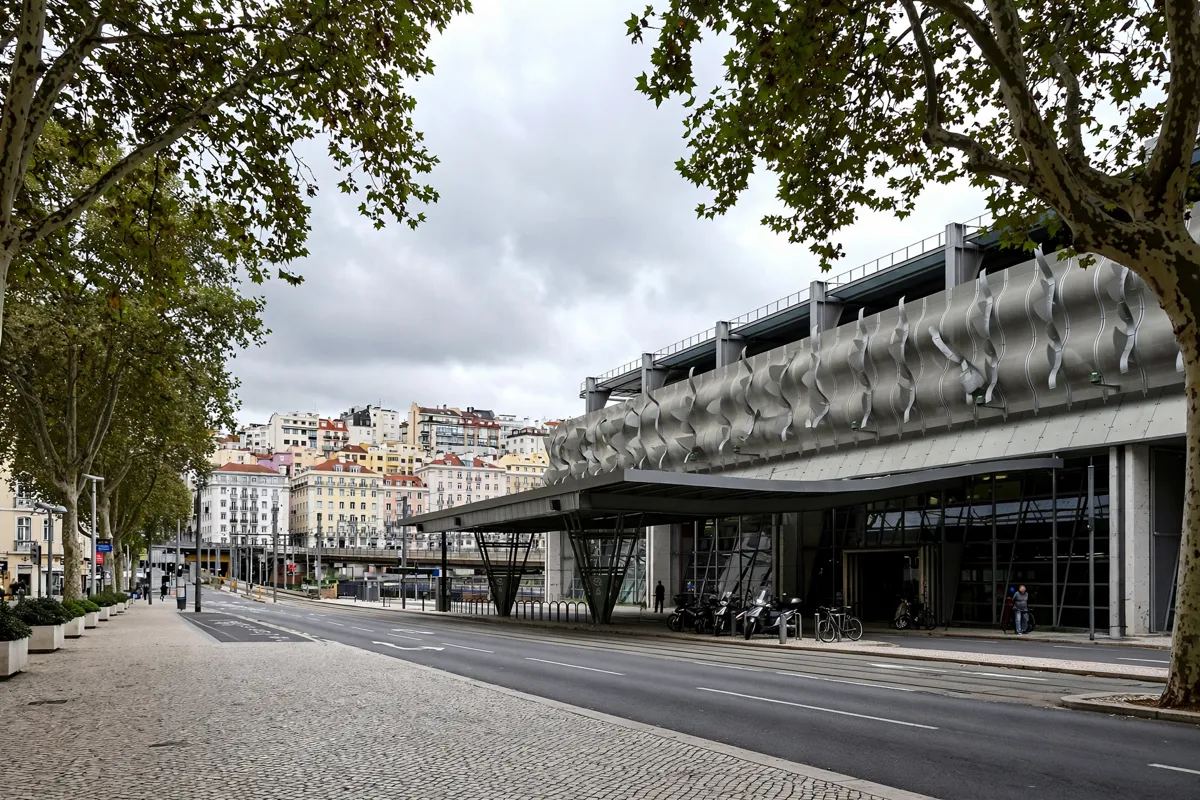
Start near Entrecampos
Entrecampos gives this outing its neighbourhood setting, with the fountain, garden and Campo Pequeno as the main points of interest. From VIP Inn Berna Hotel, Chafariz de Entrecampos is about a 6-minute walk, making the fountain a practical first stop if you’re setting out from the hotel.
Allow time to look around each place rather than treating the walk as a route between landmarks alone. The fountain offers a glimpse of Lisbon’s historic water network; the garden shifts the pace to open green space, and Campo Pequeno provides a striking architectural finish.
The facts here establish the stops, but not a measured walking route between them, so use a map to plan the connecting streets.
What is Chafariz de Entrecampos?
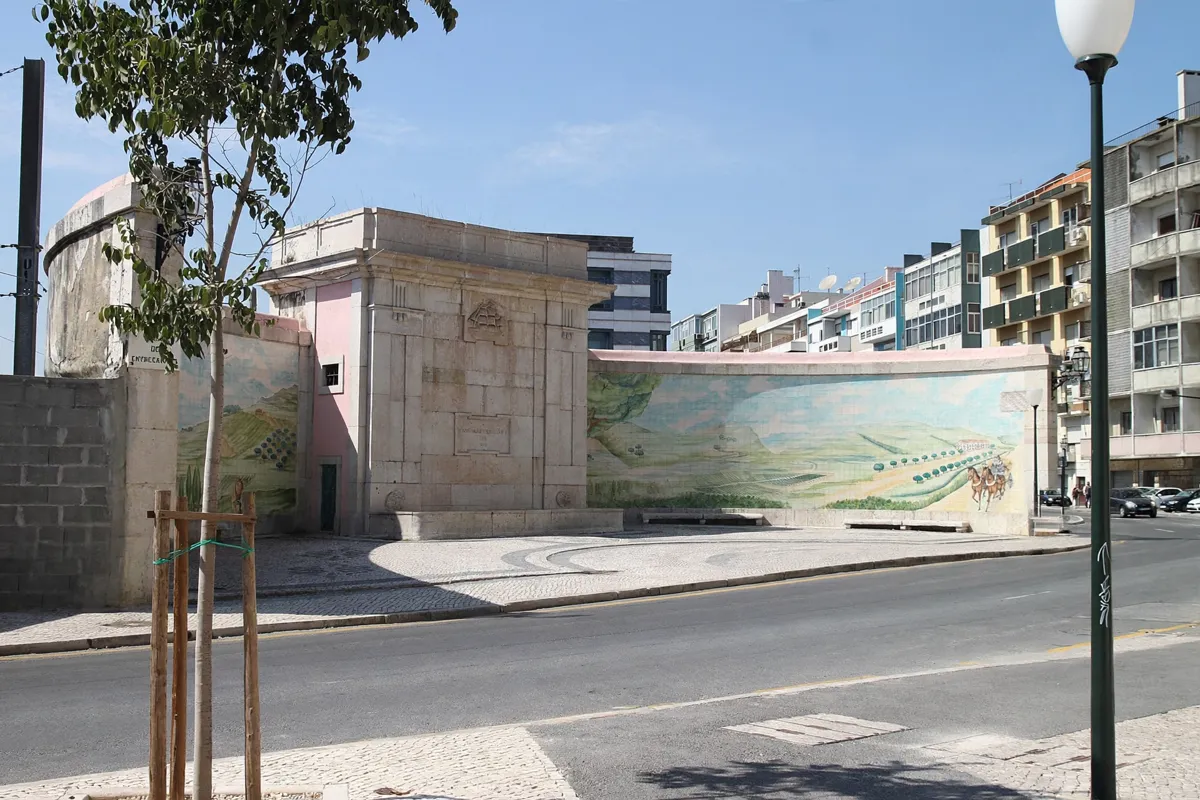
Chafariz de Entrecampos is a fountain built in 1851 as part of Lisbon’s water-distribution network. The Lisbon Municipal Archive records its architect as unknown and says it is currently designated Chafariz do Campo Pequeno.
The fountain was built by Lisbon City Council and formed part of the Águas Livres water-distribution network. Its surrounding azulejo panel was installed in 1993, designed by Arquinter, and depicts the Vale de Entre-Campos in 1851. Take a moment to notice how the panel connects the fountain to the landscape’s earlier history.
Access conditions and the fountain’s present state can change. Check the official site before you go, and use Lisbon City Council’s information for current public notices.
Jardim Mário Soares and nearby green space
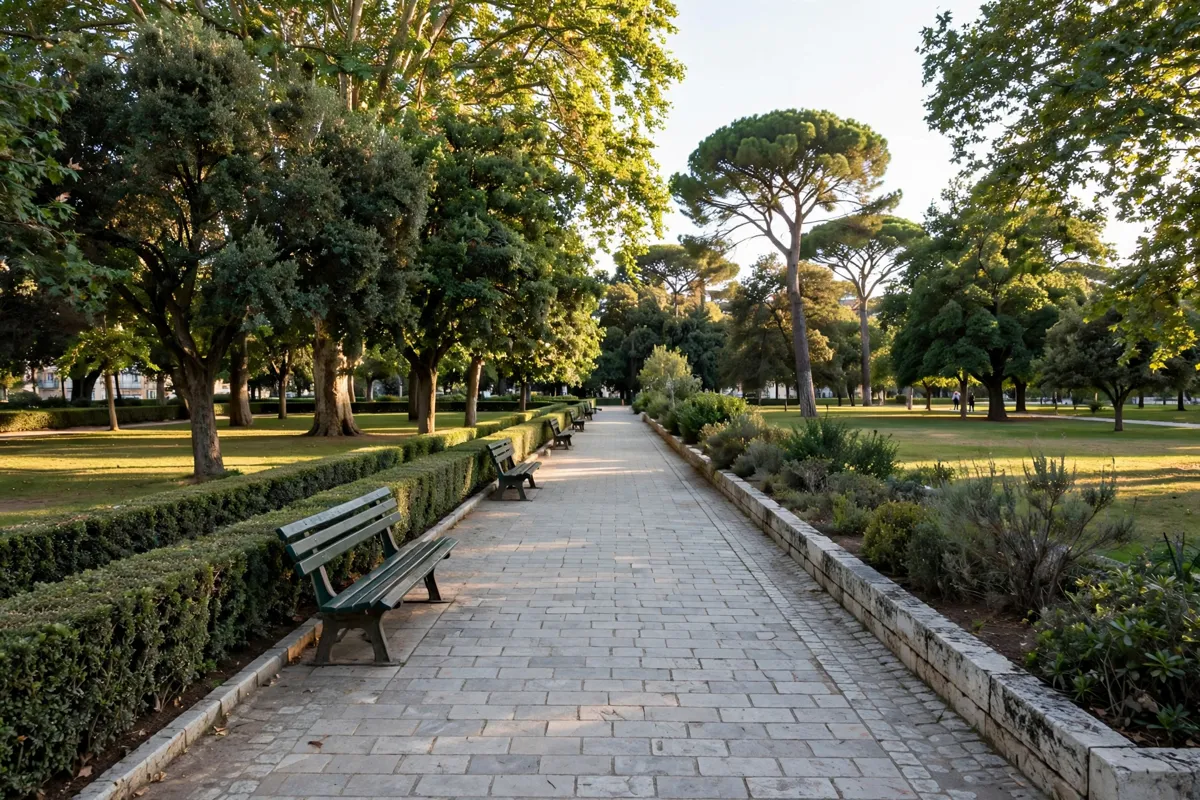
Jardim Dr. Mário Soares, also called Jardim do Campo Grande, is a 13.38-hectare garden whose history reaches back to the 16th century, when the area was known as Campo de Alvalade. Its transformation into a leisure space began in the 19th century.
The garden includes a dog park, children’s playground, youth park, padel courts, food service, fitness circuit and picnic area. Check the council’s current garden information before relying on any particular facility. Lisbon City Council lists the garden as open 24 hours.
Horse racing is part of the area’s past: the first races there took place in 1816, and a hippodrome remains nearby. This gives the garden a different character from a simple green pause between the fountain and Campo Pequeno. For another Lisbon pairing of green space and art, Jardim Gulbenkian and the Calouste Gulbenkian Museum offer a separate outing.
Finish at Campo Pequeno
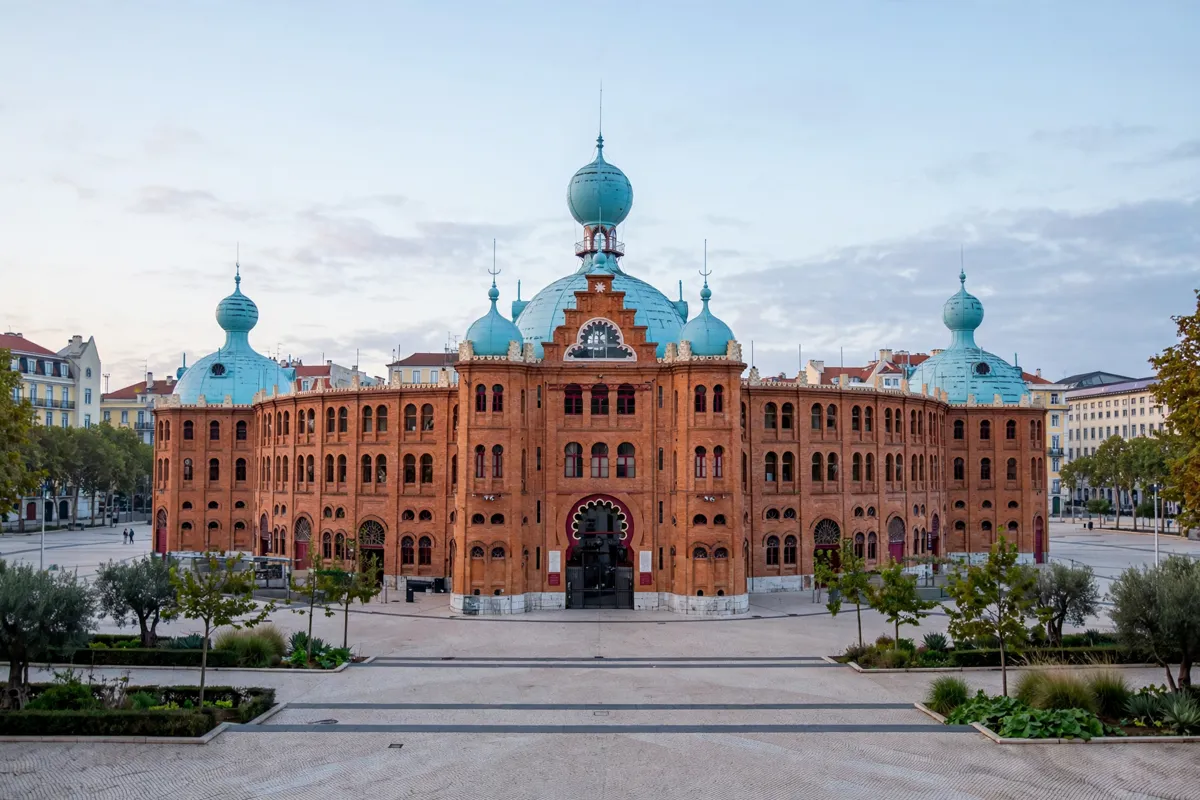
Finish at Praça de Touros do Campo Pequeno, the arena that gives the nearby fountain its current municipal designation. Its distinctive exterior makes it a clear endpoint for this neighbourhood outing.
If you want to understand the arena before visiting, the Campo Pequeno visitor guide covers what visitors should know. The garden’s history and the fountain’s water-network role give this final stop context within a walk that moves between civic landmarks and public space.
FAQs
What is Chafariz de Entrecampos?
It is a Lisbon fountain built in 1851 as part of the Águas Livres water-distribution network. The Lisbon Municipal Archive currently designates it Chafariz do Campo Pequeno.
Is Jardim Mário Soares the same as Jardim do Campo Grande?
Yes. Jardim Dr. Mário Soares is also called Jardim do Campo Grande.
What can you find in Jardim Mário Soares?
Its features include a dog park, children’s playground, youth park, padel courts, food service, fitness circuit and picnic area.